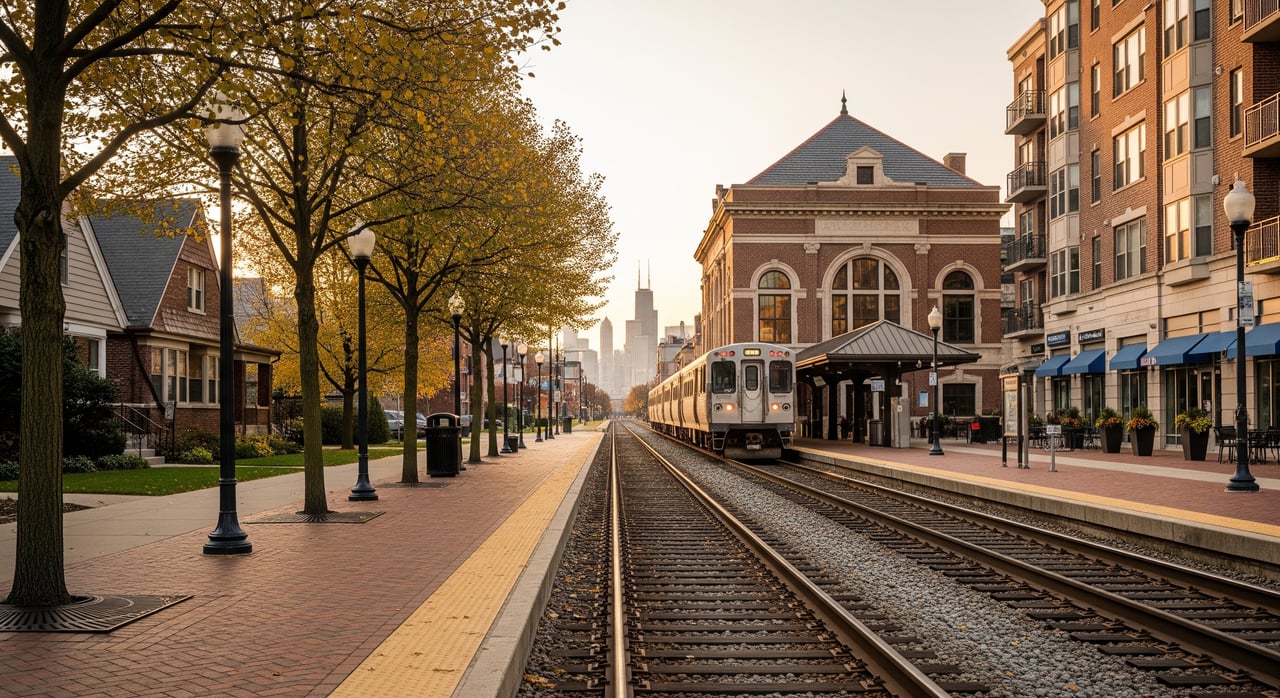
If a smooth trip to downtown Chicago is near the top of your home search list, Arlington Heights should be on your radar. You get a lively, walkable core, two Metra stations on a direct line to the city, and lots of housing options. At the same time, you want clear guidance on neighborhoods, parking, and the real commute experience. This guide breaks down how the train and driving options work, which areas fit different lifestyles, and what to check before you buy. Let’s dive in.
Why Arlington Heights works for commuters
Arlington Heights blends a true suburban feel with real transit convenience. The village has two Metra Union Pacific Northwest line stations that go straight to downtown Chicago’s Ogilvie Transportation Center. A walkable downtown, multiple commuter lots, and bike and bus options give you flexibility if you do not want to rely on a car every day.
For the latest schedules, fares, and express-versus-local details, use the official Metra resources. You can plan trips and review timetables on the Metra website. If you prefer to drive, access to major tollways lets you choose a route, though travel times can vary with traffic.
Transit options at a glance
Metra UP-NW: two stations, direct to downtown
Arlington Heights is served by the Union Pacific Northwest corridor with the downtown Arlington Heights station and the Arlington Park station. Peak-direction service includes both local and express trains. Express runs reduce the number of stops and can significantly shorten your ride compared to local service. For current schedules, stops, and accessibility features, check the Metra website.
What this means for you: if you live within walking distance of the downtown station, you can often walk out your door and be on a platform within minutes. If you are closer to Arlington Park or prefer newer housing near the redevelopment area, you can still reach the city directly on the same line.
Driving routes and tollways
If you drive to Chicago, your route will likely include arterial roads and tollways such as I-90 or I-294. Peak-drive times can swing widely based on congestion and weather, and parking costs downtown can add up. To estimate tolls, construction, and travel time ranges, use official tools from the Illinois Tollway.
Bus, last mile, and bikes
Pace Suburban Bus connects Arlington Heights neighborhoods to Metra stations, shopping areas, and nearby hubs. Frequencies and hours vary by route, so review the latest information on the Pace Suburban Bus site. For last-mile moves, downtown sidewalks and bike routes make it easy to reach the station, and rideshare is widely available.
Parking and permits near stations
Arlington Heights manages municipal commuter lots near the downtown station, with a mix of daily and permit spaces. Some lots fill early on weekdays and program details can change, so review current maps, fees, and permit rules on the Village of Arlington Heights site. If you are shopping for a home downtown, confirm whether a property is eligible for residential permit parking and learn the rules for guest and overnight parking.
Where to live in Arlington Heights
Downtown and central neighborhoods
If a short walk to the train is your top priority, focus on the blocks near the downtown station. You will find a lively core with restaurants, retail, civic amenities, and a mix of condos, townhomes, and small-lot single-family homes. Prices often reflect the premium of walkability, but you gain a simple, car-light commute.
Arlington Park and Rand Road corridor
Around the former racetrack redevelopment area, you will see newer multifamily options and some single-family pockets. Access to the Arlington Park Metra stop can be convenient, depending on the block. This area is appealing if you want a newer condo or townhouse with decent station access and nearby retail.
North and northwest residential areas
Toward the Prospect Heights and Buffalo Grove borders, you will find established single-family neighborhoods, including some with larger lots. Walkability to the downtown station is typically lower here. Expect to drive, bike, or take a feeder bus to reach the train, then factor station access into your total door-to-door time.
South and west Arlington Heights
These areas include mid-century homes and planned subdivisions with a quieter, suburban feel. Many residents choose to drive to the station or a commuter lot. Highway access can be convenient if you split time between the city and regional job centers.
Newer infill and condo clusters
Targeted infill has added condo and townhome options near retail corridors and transit. These communities often offer maintenance-free living and practical station access. If you are a first-time buyer or looking to simplify, this can be a smart way to balance commute and daily convenience.
How the commute really feels
The right Arlington Heights location depends on your total door-to-desk time. A few minutes saved on the walk or parking can matter as much as onboard minutes.
Try this when you tour:
- Walk the actual route from a property to the platform at the time you expect to commute.
- If you will park, test the drive and arrival time needed to find a space in your preferred lot.
- Ride both an express and a local train to compare run times, crowding, and reliability. Use the Metra website to confirm peak schedules.
- If biking, confirm where you will lock your bike at the station and how well the route is lit and maintained.
Cost planning: train vs driving
Metra offers one-way, 10-ride, and monthly passes, and monthly passes often lower the per-trip cost for regular riders. Check current fares, zones, and payment options on the Metra website. If you are comparing driving, add up tolls, parking, fuel, and wear. Some employers offer pre-tax transit benefits that can reduce your monthly cost.
Arlington Heights vs nearby suburbs
If you are weighing multiple northwest suburbs, here is how Arlington Heights typically stacks up:
- Mount Prospect. Similar direct Metra access and a smaller station-area downtown. You may find slightly lower average home prices and comparable train times, with a bit less concentrated dining and retail.
- Buffalo Grove. Some areas sit farther from UP-NW service, though there are Metra options in other corridors. You can find larger-lot neighborhoods, but plan for added time to reach a station if you commute by train.
- Palatine and Schaumburg. Palatine has its own UP-NW stop, often with similar service patterns and sometimes lower prices, though ride times can be a touch longer from certain areas. Schaumburg is more auto-oriented with major employment centers and limited direct Metra access on this corridor.
- Prospect Heights and Des Plaines. These can offer shorter drives to certain interstates and alternative transit options. Downtown amenities and housing stock vary by community.
The bottom line: Arlington Heights often hits a balanced middle ground of two Metra stations, a strong walkable core, and broad housing choices. Nearby towns trade one or more of those elements for lower prices, bigger lots, or different access patterns.
Buyer checklist for commuters
Use this quick list as you evaluate properties and neighborhoods:
- Measure the walk in minutes from the front door to the nearest station. Do the route at your actual commute time.
- Verify which trains stop at your station and how often express service runs during your peak. Confirm details on the Metra website.
- Review commuter parking maps, fees, and permit availability on the Village of Arlington Heights site. Ask about resident-only zones and overnight rules.
- Check Pace routes and hours for any feeder bus you plan to use on the Pace Suburban Bus site.
- If you will drive, time your likely route to the station or highway during AM and PM peaks. Use Illinois Tollway tools to estimate toll costs.
- Confirm assigned school boundaries on official district sites and review capacity notes. Keep language neutral and verify facts.
- For condos or townhomes, review HOA fees and what they cover, including snow removal that can affect winter station access.
- Pull recent property tax information from the Cook County Assessor and payment history from the Cook County Treasurer.
- If you plan to bike, confirm storage options at the station and evaluate route safety.
Make your move with local guidance
Choosing the right Arlington Heights neighborhood is about syncing your home, commute, and daily rhythm. Whether you want a five-minute walk to the platform, a newer townhouse near Arlington Park, or a larger-lot home with a short drive to the station, you have options. Our team helps you compare door-to-door times, parking realities, HOA tradeoffs, and block-level walkability so you can buy with confidence.
When you are ready, connect with the Morrison Home Team for concierge buyer guidance, local market insight, and a process that keeps your commute goals front and center.
FAQs
How long is the Metra ride from Arlington Heights to downtown Chicago during peak hours?
- Run times vary by train. Express trains on the UP-NW line are usually faster than locals. Check current schedules and stops on the Metra website.
What parking options are available near Arlington Heights Metra stations?
- The village manages commuter lots with daily and permit spaces near the downtown station, with demand that can fill early on weekdays. Review maps, fees, and rules on the Village of Arlington Heights site.
Is Arlington Heights walkable enough for a no-car commute to Chicago?
- Downtown and central blocks offer the highest walkability to the primary station. Other areas may require a short drive, bike ride, or Pace connection. Confirm your specific route and timing before you buy.
Which Arlington Heights neighborhoods best balance space and commute convenience?
- Downtown and central areas give the shortest walk to the train. North and northwest neighborhoods tend to offer more space but add station-access time. Arlington Park and infill clusters can balance newer housing with practical station access.
How does driving to Chicago from Arlington Heights compare with taking the train?
- Driving offers flexibility but can see wide swings in travel time and added toll and parking costs. The train provides a direct ride to Ogilvie. Compare both by testing peak trips and checking toll estimates on the Illinois Tollway site.
What should I verify before buying a commuter-friendly home in Arlington Heights?
- Confirm train frequency and express stops, permit or daily parking options, assigned school boundaries, HOA terms for winter services, property taxes, and last-mile options like Pace and bike storage using official sources such as Metra, the Village of Arlington Heights, Pace, and Cook County offices.