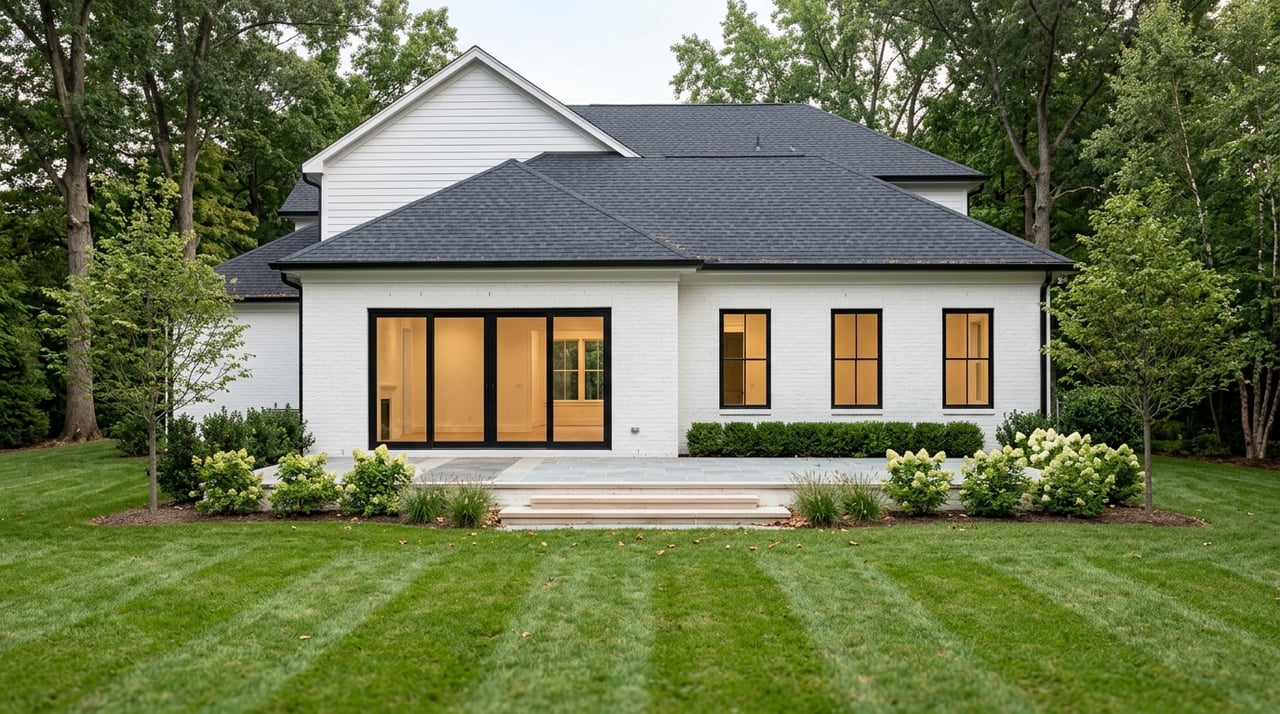
If you are selling an estate in Barrington Hills, you are not marketing a typical suburban home. You are selling land, privacy, and a very specific lifestyle in a market where inventory is limited and buyers often take their time. When you understand what makes this village different, you can position your property more clearly and avoid the issues that tend to slow luxury and acreage sales. Let's dive in.
Barrington Hills Market Snapshot
Barrington Hills remains a small, high-value market with a slower sales pace than many nearby suburban areas. According to Redfin's Barrington Hills housing market data, the median sale price was $1.2 million in March 2026, with a median 218 days on market and just 3 homes sold.
Listing data points to the same pattern. Realtor.com market data cited by Redfin showed about 25 properties for sale, a $1.995 million median listing price, and a 97% sale-to-list ratio in February 2026, while Zillow reported 23 homes for sale and a $1.924 million median list price as of March 31, 2026 through the same market source. These figures are not directly interchangeable, but they all support the same takeaway: this is a thin, expensive, and slower-moving market.
For sellers, that means pricing and preparation matter even more. In Barrington Hills, buyers usually need more time to evaluate acreage, land use, and property systems before they are ready to act.
Why Barrington Hills Estates Sell Differently
Barrington Hills is built around low-density living and open space. The village's comprehensive plan describes it as a unique single-family residential community with abundant open land, a long equestrian tradition, and homes that range from cottages to large estates and hobby farms.
That same plan notes that most residences sit on five acres or more. It also explains that the village is about 35 miles from Chicago's Loop and has commuter access through Metra stations in Barrington and Fox River Grove. For many buyers, that combination is the appeal: meaningful land and privacy without feeling completely removed from the region.
This setting changes how your property is evaluated. Square footage still matters, but buyers in Barrington Hills often care just as much about whether the acreage is usable, how it is documented, and what the land can support.
Land Utility Often Drives Value
A luxury home on acreage is more than a house with a larger yard. In Barrington Hills, buyers may be looking closely at trail connections, paddocks, fencing, barns, outbuildings, open land, and privacy buffers.
The village's equestrian heritage page says Barrington Hills has more than 150 miles of private and publicly owned trails across 3,800 acres of forest preserve. The comprehensive plan describes about 210 miles of combined trails linked to the Riding Center and notes that preservation and extension of the trail system is part of the village's long-term framework.
That is important because equestrian identity is not a niche side note here. It is a core part of how many properties are perceived, especially in R-1 areas where the village allows uses such as agriculture, private stables, horse keeping, swimming pools, and private tennis courts as outlined on the village equestrian and zoning information.
If your property includes horse facilities, pasture, trail adjacency, or preserved open space, those details should be easy for buyers to understand. If it does not, you still want to show how the land functions in practical terms, from privacy to recreation to future maintenance expectations.
Buyer Pool Is Selective
In a market with longer selling times, it helps to be realistic about who your likely buyer is. Based on the village's land-use pattern, equestrian identity, and current pace of sales, the buyer pool is often narrower than in more conventional suburban markets.
Your most likely audience may include:
- Buyers who want acreage and privacy near the Chicago metro area
- Households seeking equestrian features or trail access
- Local move-up buyers looking for a larger estate setting
- Buyers who value open-space stewardship and rural character
That smaller buyer pool is not a weakness. It simply means your sale depends on sharper positioning and cleaner presentation. The more clearly a buyer can understand the property, the easier it is for them to see its value.
Start With Property Documentation
One of the most effective ways to prepare a Barrington Hills estate for sale is to organize documentation before the home goes live. In this market, missing records or vague land details can add friction and delay decision-making.
The most useful materials often include:
- Survey and parcel maps
- Records of easements and trail connections
- Barn and outbuilding details
- Fencing and paddock information
- Well and septic records
- Permit history for major exterior improvements
- Information on open-space or agricultural assessment status
This matters because buyers are not just asking whether they like the house. They are also asking what the land can legally and practically do.
Verify Wells, Septic, and Soil Early
Private infrastructure is a major part of selling acreage in Barrington Hills. According to the village's comprehensive plan, the vast majority of local wells are private, and more than 700 of 844 wells are finished 100 to 300 feet below ground surface.
The same plan notes that some corridor soils can create challenges for septic fields and foundation stability. It also states that low-density development is constrained in part by soil suitability for building foundations and septic systems.
For sellers, this is a strong reason to gather well and septic records early. If there are inspections, service history, or system documentation available, organizing them upfront can help reduce buyer uncertainty and keep negotiations on track.
Check Permit History Before Listing
Unpermitted work can become a bigger issue on estate properties because there are often more improvements beyond the main house. The village's 2025 outdoor project permit guidance states that projects such as barns, accessory buildings, pools, sport courts, generators, and septic work may require permits.
If your property includes any of these features, it is smart to confirm permit history before listing. A buyer who discovers uncertainty late in the process may slow down, renegotiate, or walk away.
This is especially true for properties with extensive grounds or specialty improvements. Clean records support confidence, and confidence supports value.
Understand Tax and Assessment Issues
Tax treatment can affect how estate acreage is viewed and marketed. For larger parcels, open-space or agricultural status may be relevant, and those details should be reviewed carefully before a sale.
Cook County's open-space valuation application applies to parcels over 10 acres used for open-space purposes. The form also warns that a change in use can trigger recapture of prior tax benefits plus interest.
Illinois guidance cited in the research also states that farmland is assessed on agricultural economic value and that farm homesites and dwellings are assessed at one-third of market value. If your property has any special assessment status, buyers will want to understand what carries over, what may change, and what obligations or risks may apply.
Review Easements and Conservation Limits
Recorded easements can shape how buyers think about land use, privacy, and long-term flexibility. Barrington Hills notes on its open land and conservation page that land preservation and conservation easements help protect green space, open land, natural habitat, and rural roadways.
That means sellers should identify and map recorded easements before putting a property on the market. This includes conservation-related restrictions, trail easements, and any access or utility issues that affect how the acreage is used.
Recent ordinances also show that agriculture remains part of the local land-use conversation. The same village source notes that agricultural-related uses have continued to evolve, which makes current zoning and recorded land restrictions especially important to verify.
Price and Pace With Realism
A slower market does not mean your home lacks value. It means buyers in this segment tend to move carefully, and pricing strategy must reflect current conditions.
With a 218-day median days on market in March 2026 according to Redfin, sellers should plan for a longer timeline than they might expect in a more active suburban resale market. Overpricing can be especially costly when the buyer pool is already selective and inventory is limited.
The goal is not simply to launch high and hope. It is to present a compelling, well-documented property at a price that fits today's market and the property's actual land utility.
What Supports Value in Barrington Hills
In this market, value often comes from a combination of physical features and clean documentation. Buyers tend to respond best when they can quickly understand both the home and the acreage.
Features that can support value include:
- Usable acreage
- Privacy buffers
- Equestrian infrastructure
- Preserved open space
- Clear zoning context
- Well-maintained barns and outbuildings
- Verified well and septic information
- Documented permits and easements
The common thread is clarity. When buyers see fewer unknowns, they are more likely to engage seriously and move forward with confidence.
Why Strategic Marketing Matters
Luxury and acreage properties need more than standard listing photos and a basic feature sheet. They need a thoughtful presentation that explains the property's full story while respecting privacy.
For Barrington Hills sellers, that often means showcasing the home, the setting, and the functionality of the land together. It also means anticipating the questions serious buyers will ask about access, improvements, infrastructure, and restrictions.
That is where experienced guidance can make a real difference. A strong plan combines polished marketing, targeted exposure, and upfront preparation so your property reaches the right buyers with fewer surprises along the way.
If you are thinking about selling acreage or a luxury home in Barrington Hills, working with a team that understands estate positioning, buyer expectations, and privacy-sensitive marketing can help you move with more confidence. To start the conversation, connect with the Morrison Home Team.
FAQs
How long does it usually take to sell a luxury home in Barrington Hills?
- Redfin's market data reported a median of 218 days on market in March 2026, so sellers should generally expect a slower pace than a typical suburban resale market.
What should Barrington Hills sellers prepare before listing an acreage property?
- You should gather surveys, parcel maps, easement records, permit history, well and septic documentation, and any information related to agricultural or open-space assessment status.
Why do Barrington Hills buyers focus so much on land details?
- The village's low-density pattern, larger lots, equestrian tradition, and private infrastructure mean buyers often need to understand not just the house, but also how the acreage functions and what uses are permitted.
Do Barrington Hills estate properties often have private wells and septic systems?
- Yes. The village comprehensive plan says the vast majority of wells in Barrington Hills are private, and soil and septic suitability can affect property use and buyer decisions.
Can tax treatment affect the sale of a Barrington Hills estate?
- Yes. Larger parcels may have open-space or agricultural assessment considerations, and changes in use may affect tax treatment, so sellers should review those details before going to market.
Why do easements matter when selling land in Barrington Hills?
- Easements can affect trail access, conservation limits, development flexibility, and how buyers view the property's long-term utility, so they should be identified clearly before listing.