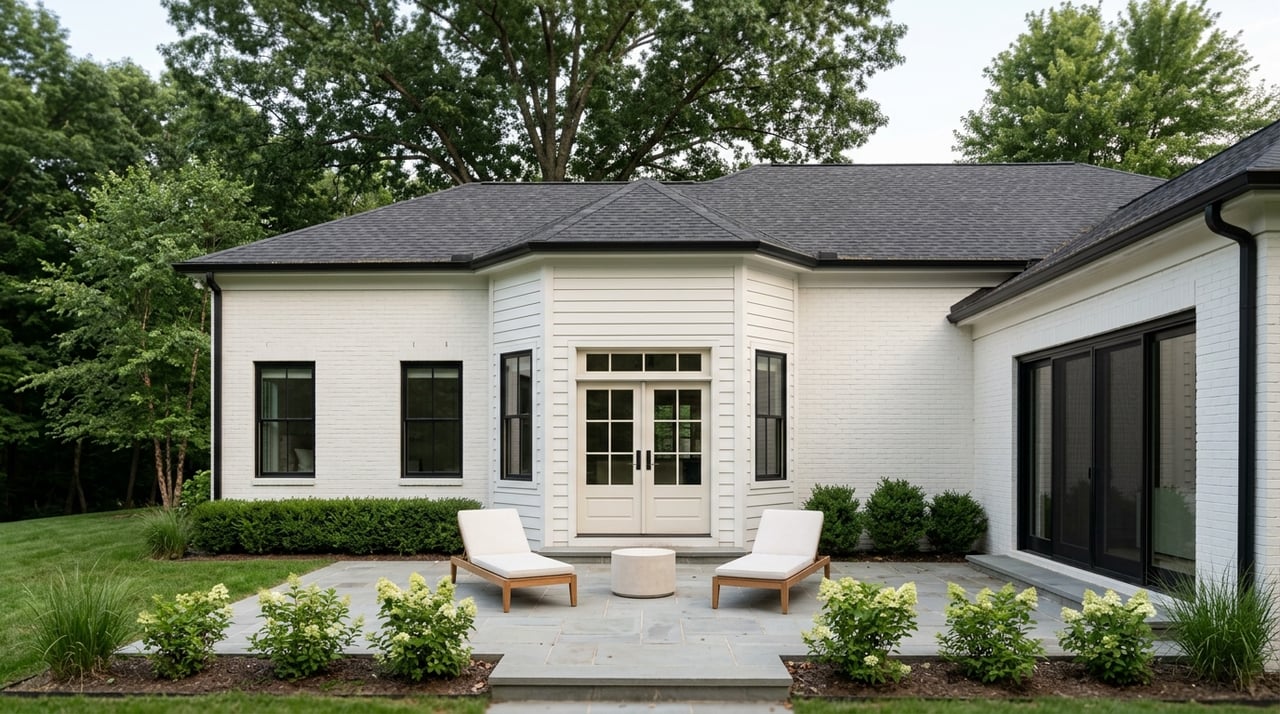
Looking for a suburb that feels more open, more private, and more rooted in place than the typical subdivision? Long Grove offers a distinct mix of estate-style living, preserved historic character, and a residential setting that stands apart in Lake County. If you are considering a move, planning a sale, or simply narrowing down where you want to live next, this guide will help you understand what makes Long Grove unique. Let's dive in.
Long Grove lifestyle at a glance
Long Grove is a small village in Lake County with 8,393 residents spread across 12.39 square miles of land. That size and scale matter because they help explain why the community feels more spacious and less dense than many nearby suburbs. With about 677 people per square mile, Long Grove has a noticeably more open, estate-like feel than places such as Barrington or Hawthorn Woods based on Census land area and population figures.
The village is also heavily owner-occupied. Census data shows 2,699 households and a 96.3% owner-occupied housing rate, which points to a market made up largely of long-term homeowners rather than a high share of transient housing. The median owner-occupied home value is $804,600, and median household income is reported at $250,000+, reflecting a higher-end residential profile.
For many buyers, the appeal comes down to space, privacy, and a more residential pace. Long Grove offers that while still connecting you to major road corridors and nearby commuter options. It is a setting that often appeals to move-up buyers, estate buyers, and people looking for a more tucked-away suburban experience.
Historic downtown gives Long Grove its identity
One of the clearest reasons Long Grove feels different is its downtown. The village describes it as Illinois' first historic district, with a preservation-focused identity that includes local shops, restaurants, entertainment, green space, and the well-known single-lane covered bridge. Downtown is not an afterthought here. It is a central part of the community's personality.
The village also reports that the historic district was created by ordinance in 1960 and that downtown includes about 120 businesses. That business base helps explain why Long Grove functions as more than a quiet residential village. It also serves as a local destination with a distinct sense of place.
For you as a buyer or homeowner, that can mean a lifestyle with a little more charm and variety built into everyday living. Instead of a purely residential landscape, you get a community that pairs larger residential properties with a recognizable, walkable downtown core.
Festivals add year-round energy
Long Grove's event calendar is part of what keeps the village lively throughout the year. According to the village, festival season runs from April through December. Signature events include Craft Beer Fest, Chocolate Fest, Strawberry Fest, Vintage Days, Irish Days, Apple Fest, October Days, and the Vintage Holiday Season.
That matters because it adds another layer to the Long Grove lifestyle. You are not just buying into land and housing stock. You are also buying into a place with recurring traditions and a downtown that stays active across multiple seasons.
For some buyers, that adds welcome energy without changing the village's overall low-density, residential character. It is a combination that can be hard to find in nearby communities.
Long Grove homes and land feel different
If you are comparing Long Grove to other northwest suburbs, the lot pattern is one of the first things to notice. Village materials emphasize large lots, forests, and conservation areas. That supports the impression many buyers have when they drive through the area: homes often feel more separated, more private, and more tied to the natural landscape.
This is not a one-size-fits-all suburb of compact lots and uniform streetscapes. Instead, Long Grove leans toward larger residential parcels and a more rural-feeling setting. That does not mean remote living, but it does mean your experience here may feel less tightly built than in more densely developed suburbs.
The housing numbers support that higher-end positioning. Long Grove's median owner-occupied home value of $804,600 is above the figures cited in the research for Barrington and Hawthorn Woods. Combined with the village's low density and high owner-occupancy, that helps define Long Grove as a market where space and privacy are major parts of the value.
What buyers should know about roads and utilities
Long Grove's infrastructure is another reason it feels different from a more conventional suburban community. The village reports a mix of state, county, local, and private roads. Many local roads are privately owned and maintained by individual owners or homeowners associations.
That means road responsibility can vary from one property to another. If you are shopping for a home in Long Grove, it is smart to understand not just the house and lot, but also how road access and maintenance work for that specific property.
Utilities can vary too. The village states that many residences use private septic systems, while the municipal water system serves the historic downtown and surrounding area. The village also notes that it does not own the sanitary sewer system. In practical terms, buyers should expect that property-level due diligence may matter more here than in a newer subdivision with more standardized infrastructure.
Commuting from Long Grove
Long Grove is primarily a road-connected community. The village identifies key routes through the area, including Illinois Routes 22, 53, 60/83, and 83, along with Midlothian Road and county roads such as Gilmer, Old McHenry, and Diamond Lake.
For Chicago commuters, the village's economic development information places Chicago at 28 miles or 36.7 road miles away. It also identifies the nearest Metra station as Buffalo Grove, about 3.2 miles or 8 minutes from Long Grove, with an estimated 56-minute train ride to downtown Chicago.
Census data shows a median commute time of 33.5 minutes. For many buyers, that places Long Grove in a useful middle ground: residential and spacious in feel, but still practical for regional commuting by car and rail connection.
School boundaries vary by address
One important detail for buyers is that school boundaries are not uniform across the village. Long Grove is served at the elementary level by Diamond Lake District 76, Fremont District 79, and Kildeer Countryside District 96. At the high school level, the village is served by Mundelein High School District 120 and Stevenson High School District 125.
The key takeaway is simple: do not assume one village-wide school assignment. If schools are a factor in your move, you should verify district boundaries for the specific property address you are considering.
That address-level approach is especially important in a village with varied lot patterns and multiple service areas. It helps you make a cleaner, more informed decision before you buy.
How Long Grove compares to nearby suburbs
Long Grove stands out most for its combination of historic downtown preservation and low-density residential land use. That pairing is not universal in surrounding communities. Based on the research, nearby suburbs tend to lean more strongly toward either a rail-centered village feel or a more uniformly residential, nature-forward pattern.
Barrington, for example, has a larger population within a much smaller land area and is often associated with its village-center Metra station and historic district. Hawthorn Woods emphasizes estate living and natural resources, while Kildeer is known for spacious lots and custom homes across many subdivisions.
Long Grove sits in an interesting position among those options. It offers a preserved and active historic downtown, but it also delivers the larger-lot, lower-density residential setting that many buyers want when they are looking for privacy and space.
Is Long Grove right for you?
Long Grove may be a strong fit if you want a home that feels removed from a more typical suburban pattern without giving up access to daily conveniences and commuter routes. The village offers a distinct mix of residential privacy, established community identity, and a downtown that adds charm and activity throughout the year.
It can be especially appealing if you are looking for estate-style homes, larger parcels, or a move-up property where land is part of the value. At the same time, buyers should go in with clear eyes about property-specific details like road maintenance, septic systems, utility setup, and school boundaries.
If you are weighing Long Grove against Barrington, Hawthorn Woods, Kildeer, or other nearby communities, local guidance can make a major difference. The right fit often comes down to the details of a specific home, lot, and location within the village.
When you are ready to explore Long Grove homes, compare nearby suburbs, or plan your next move with a local team that understands the northwest suburbs, connect with Morrison Home Team.
FAQs
What is the lifestyle like in Long Grove, Illinois?
- Long Grove offers a low-density residential setting with a preserved historic downtown, local businesses, restaurants, green space, and a festival calendar that runs from April through December.
What types of homes and lots are common in Long Grove?
- Long Grove is known for larger lots, more private residential parcels, and a setting shaped by forests, conservation areas, and lower-density land use.
What should buyers know about utilities in Long Grove?
- Some Long Grove properties may have private septic systems, and road ownership and maintenance can vary because the village includes state, county, local, and private roads.
How do you commute from Long Grove to Chicago?
- Long Grove is mainly road-connected, and the nearest Metra station is Buffalo Grove, about 3.2 miles or 8 minutes away, with an estimated 56-minute train ride to downtown Chicago.
Do all Long Grove homes go to the same school districts?
- No. School assignments vary by address, with elementary service from Diamond Lake District 76, Fremont District 79, and Kildeer Countryside District 96, plus high school service from Mundelein District 120 and Stevenson District 125.
How is Long Grove different from nearby suburbs?
- Long Grove is especially distinct for its blend of historic downtown preservation and low-density residential living, which gives it a more open, estate-like feel than many nearby communities.